
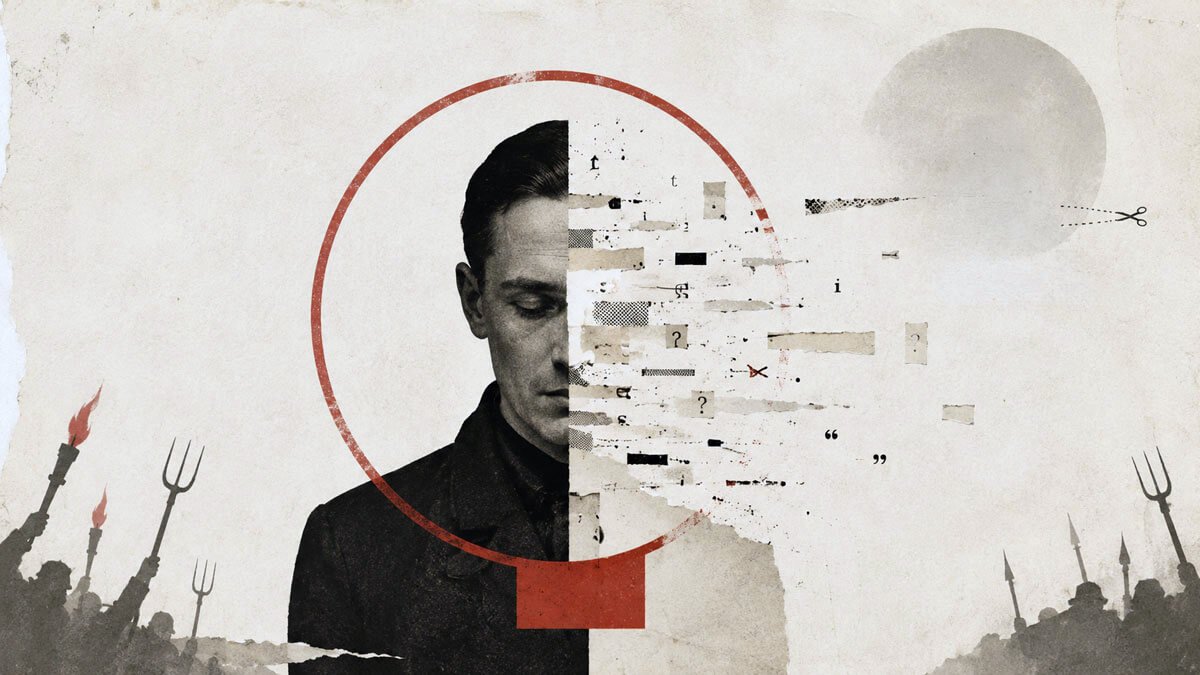
Claude’s outputs are going to be watermarked. When a detector becomes available to the public, the witch hunts are gonna get INTENSE!
Innocent people are going to get buckets of water thrown over them, and the real wicked witches will be laughing hysterically from their broomsticks.
Seriously, if you thought the hysteria over em dashes was bad, just imagine the pitchforks and torches we’ll see brandished when a detector indicates that Claude was involved.
And it’s not just Claude either. Most of the major AI labs will be watermarking.
Oh, the angry mobs are coming alright. I can hear them chanting “AI SLOP! AI SLOP!”
The problem with watermarking
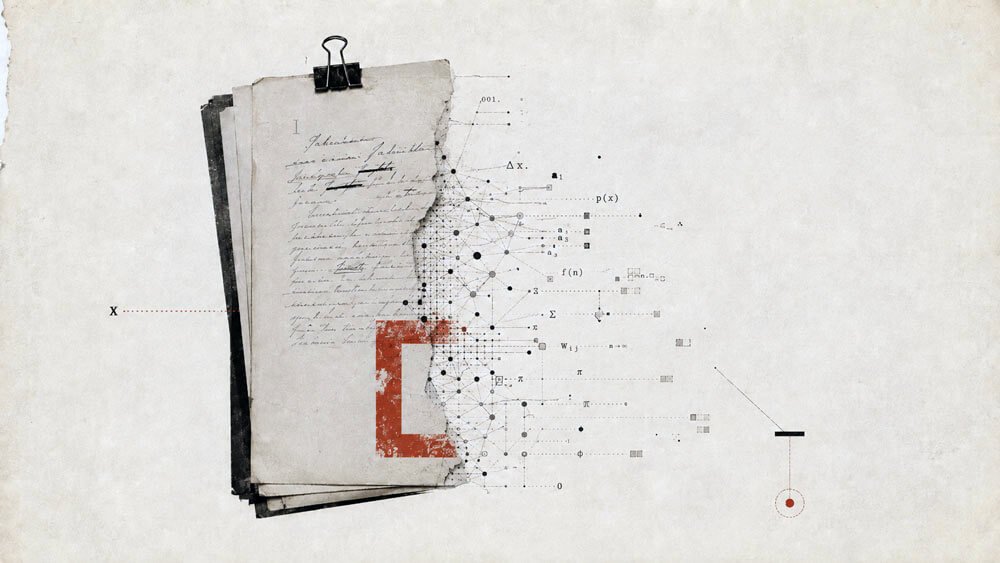
In simple terms, watermarking works by algorithmically influencing an AI’s word choice so the patterns can be detected.
There are two problems with using a watermark to identify “AI Slop”:
1. Editing the output enough to disrupt the pattern means the watermark is effectively removed.
2. Using AI to edit your own original work could be enough to embed the watermark.
So the watermark doesn’t prove that AI was the author, because it might have edited a legitimately human-authored work.
And the absence of a watermark doesn’t prove a human-authored the piece because the watermark could have been removed.
The real wicked witches will use technical methods to easily automate the removal of the watermark.
Meanwhile, the pitchforks could be out for people who are simply using AI to edit their own writing.
So is watermarking useless?
Watermarking isn’t entirely useless.
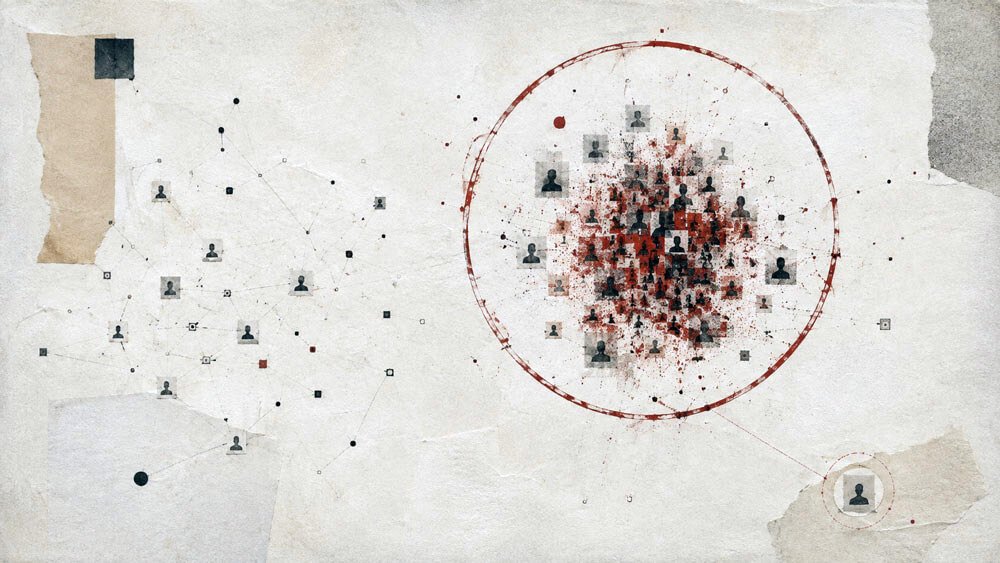
It could be very useful when used as one signal for detecting AI misuse at scale.
For example, think about Facebook being able to identify that the proportion of AI-generated content normally sits at, say, 35%.
Then, an election is coming up, and they see a spike of up to 85% in a series of new accounts. That would be one signal that might allow them to more quickly identify that those accounts should be checked for misinformation.
Yeah, ok, I know, it’s a stretch to think of Facebook using the tools to actually improve the quality of content on their platform. But hypothetically, it’s possible.
That’s how I think watermarking should be used.
Not to shame individuals who use AI, but to make the internet a better place by identifying large-scale patterns of use.
Nonetheless, I think the witch hunts are coming.
Individuals will be burned at the stake because their content was watermarked.
AI use itself is not the problem
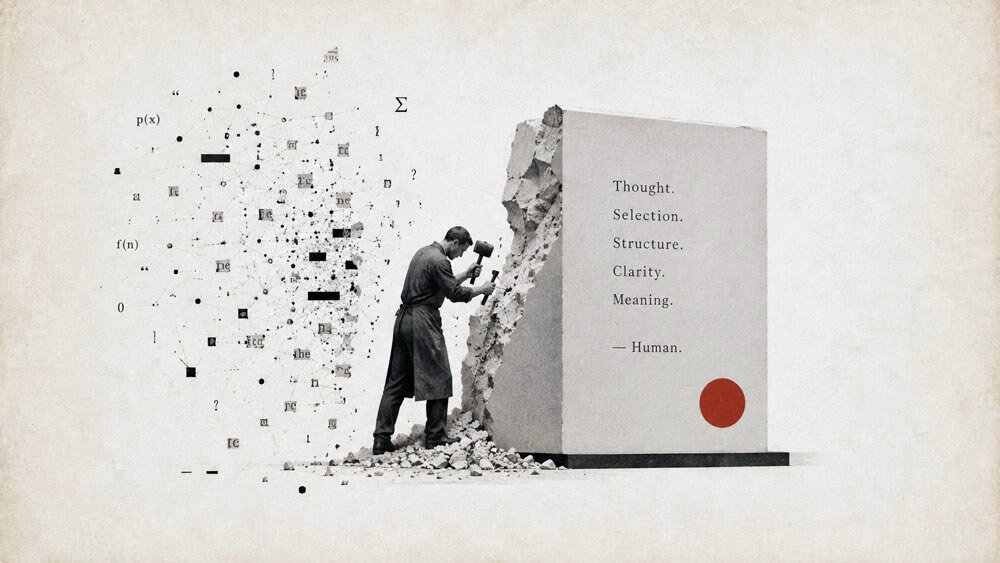
I’m not just defending the people who use AI for light editing. I believe it’s entirely possible to use AI to create meaningful and engaging content.
It takes a lot of work.
It requires human thought, curation, and guidance.
It usually requires significant editing or directing of AI outputs.
But a mindful human operator can absolutely create good-quality writing with AI.
The witch hunts are coming. But eventually the mob will exhaust themselves. At some point we’ll learn to burn people at the stake only when they actually cast evil spells and cause harm.
Not when they use an em dash.
